Why Campaign Content Still Falls Flat the Moment it Hits Social

A campaign film gets shot and cut beautifully for broadcast. Someone then asks for a social version, and it gets squeezed into a square or a vertical frame instead of rebuilt for it. The pacing's wrong, the hook's wrong, and the audience is gone before the message ever lands.
This isn't a taste problem. It's a measurable one, and it's also the problem buyers most often need to explain upwards, in numbers, not just a delivered file.
HubSpot's 2026 State of Marketing research names short-form video the highest-ROI content format in the industry, with 49% of marketers ranking it above every other type. But "short-form" doesn't mean "shrunk down." It means built for the platform it's actually watched on, and that's a different job entirely from resizing something that was made for somewhere else.
Most buyers already sense this. What's harder is proving it to whoever they report to. A campaign film underperforming on social is easy to spot and hard to explain, especially when the honest answer is "we made a TV ad and put a phone-shaped frame around it." Having a number to point to, rather than just a delivered file, changes that conversation.
Resized isn't the same as rebuilt
Meta's own ad guidance is fairly blunt about this. Content reformatted from a horizontal master and cropped into a vertical frame reads as repurposed to the delivery system, and gets shown to fewer people than creative built natively for the placement. The platform can tell the difference, even when a viewer can't quite say why something feels off.
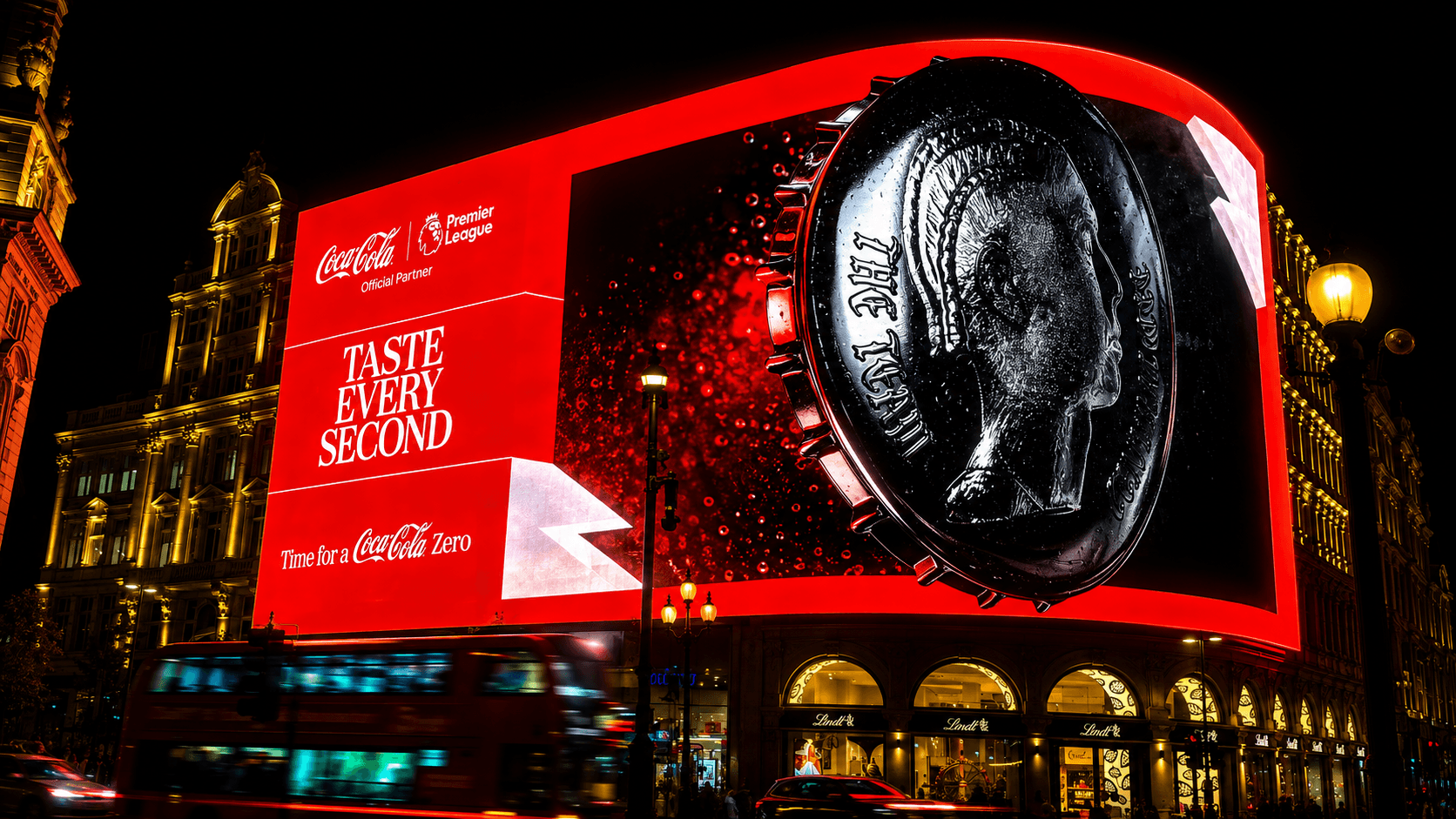
We saw this play out with our Premier League hero video. It was filmed and cut for broadcast first, exactly as it should be. The social cutdowns that followed weren't a shrink of that same edit though. New pacing, new shot choices, a hook that works cold on a phone screen with no lead-in. Same footage, entirely different job.
Most viewers decide inside three seconds
Sprout Social's 2026 Content Strategy Report puts a number on it: 52% of Instagram users say short-form content under 60 seconds is what actually drives their interactions, against just 19% who favour anything longer. That window shrinks further once you account for the scroll itself. If the opening frame doesn't work on its own, the rest of the edit never gets watched.
That's why hook variants get built into most of our social work rather than picking one version and hoping. Our DP World Tour social ads run natively across 16x9, 9x16 and 1x1, with separate versions for paid media and organic content on each platform, so a client can see what actually stops the scroll rather than guessing at it.
Podcasts are where this shows up hardest
Edison Research's Podcast Consumer 2026 study found that only 21% of listeners now stick to audio only. YouTube has overtaken Spotify as the platform most weekly listeners choose first, which means most podcast audiences already expect a video version, whether the show was built for one or not.
Sony's Dinner's On Me with Jesse Tyler Ferguson is a good example of what that actually takes. It's an audio-first show, so the job isn't reformatting footage that already exists, it's building the visual layer for a conversation that was never shot with cameras in mind. Every full-length episode gets edited to preserve the pacing of the conversation itself, giving reactions and quieter moments room to land rather than cutting for efficiency, and weaving in close-up detail shots of the table to bring viewers into the room. The result feels less like an edited interview and more like sitting in on a catch-up between friends.
Ferguson's episode with his Modern Family co-star Eric Stonestreet has pulled in over 500,000 views on YouTube alone, for a show that started as audio only.
What changes when you rebuild instead of resize
The work happens shot by shot, not in a single export setting. Aspect ratio and pacing get rebuilt from scratch for each format, and sometimes the shot order changes too, so the story still lands properly in a square or vertical frame rather than just fitting inside it.
Captions go in as standard, since most social video is watched with the sound off before a viewer decides whether to turn it on. Export settings get tuned to each platform's own spec rather than one file pushed out everywhere and hoped for the best.
Sometimes there's nothing to reformat at all. An audio-first show like Dinner's On Me doesn't need resizing, it needs a visual identity built from scratch, which is really the same problem wearing a different shape.
None of this is complicated. It's just a different piece of work from the one most studios actually do, which is why "we'll do a social cutdown too" so often turns out to mean the same edit in a smaller box.
Our Premier League social cutdowns alone have pulled in over 12 million views. Same footage as the broadcast spot, rebuilt for where it actually lived.
So next time a brief asks for "a version for social," it's worth asking what's actually changing about it, not just the crop.